The Thirteenth Amendment
/cloudfront-us-east-1.images.arcpublishing.com/gray/7Y2ISVAHGJADZPX6OGRTW4S6NA.png)
The Thirteenth Amendment formally abolished slavery in the United States when it passed the Senate on April 8, 1864 and then the House January 31, 1865. This amendment immediately freed over 100,000 enslaved Americans from Kentucky to Delaware. The Amendment reads as follows: "Neither slavery nor involuntary servitude, except as a punishment for crime whereof the party shall have been duly convicted, shall exist within the United States, or any place subject to their jurisdiction." This Amendment was in response to president Lincoln's Emancipation Proclamation, as Lincoln recognized that the Emancipation Proclamation would need to be solidified with an amendment. Many Southern states refused to recognize the Emancipation Proclamation and decided to keep their slaves instead. With the adding of the thirteenth amendment to the Constitution, the issue of slavery was finally resolved in the United States.
In addition to the end of slavery within the United States, the 13th amendment still had lasting effects in the United States throughout history, both good and bad. Within the 13th amendment it also banned all forms of "involuntary servitude" including peonage. The Supreme Court also interpreted the amendment as saying the government could require certain forms of public service, presumably extending to the military draft and jury duty. However, the amendment also did not prevent people in prison from being forced to work. As a result, prison labor practices, like chain gangs and prison laundries, do not violate the 13th amendment.
Despite the revolutionary effects that 13th amendment had on Black freedom and progress, racially discriminatory laws like Black codes and Jim Crow laws continued to force Black Americans into oppression and involuntary labor for years. Despite this, the 13th amendment applied to the actions of private citizens, unlike the 14th and 15th amendment. As such, the 13th amendment helped the government to enact laws against modern day slavery like human trafficking.
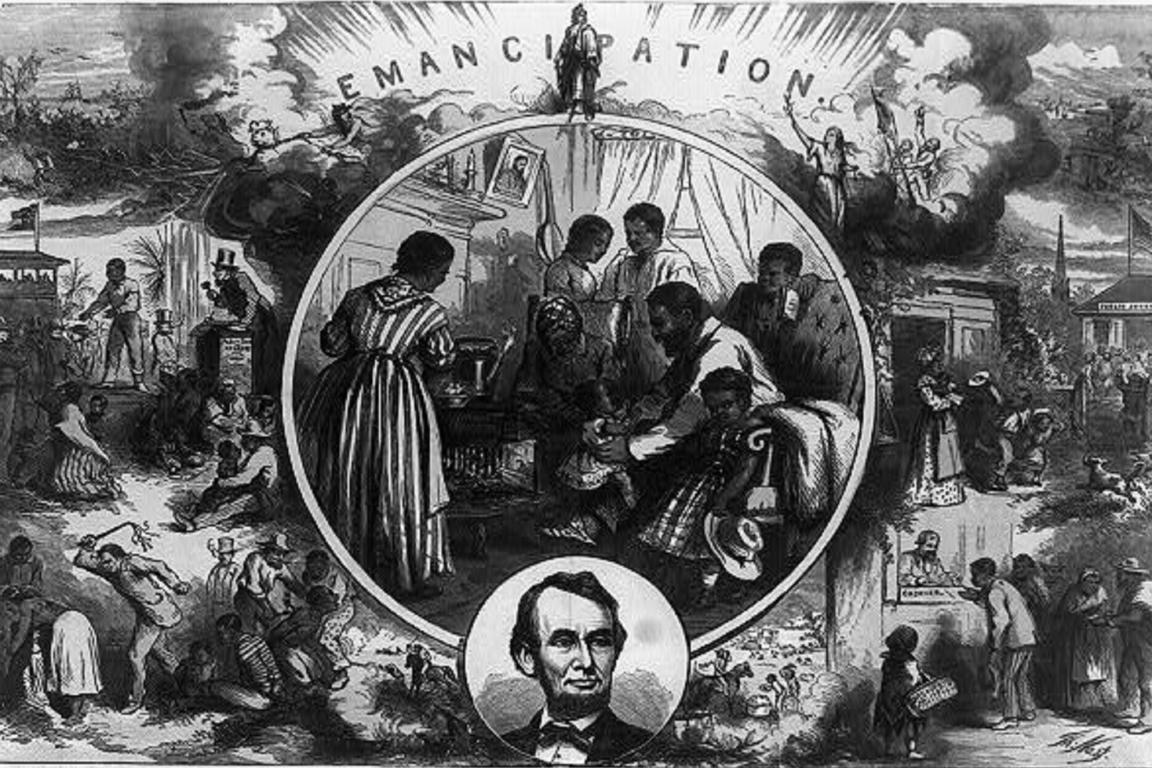
Within five years of the 13th amendment being passed, the government also passed the 14th and 15th amendment, further securing the rights and dignity of Black Americans in the United States. These amendments, established citizenship, equal protection, and voting rights for all male Americans, regardless of race. Despite these three amendments doing so much for Black Americans, they would continue to have to fight for their freedom in different ways, as the South adopted Jim Crow laws and established Black Codes. It wasn't until the Civil Rights Era that Black Americans began to have the assistance of the United States government in their fight for equality. With Brown v. Board of Education, Black Americans finally were equal in the eyes of the law, and it ended legal discrimination in the United States.
Even with its significance in American history, the 13th Amendment does not pertain to many cases today in the United States. With slavery being a dark part of the United States' past, the amendment does not pertain to most cases in modern times. Despite this, the 13th amendment will forever be historically recognized, as it ended the terrible practice of slavery in the United States.
Comments
Post a Comment